How to tell if a men's scarf is made of cashmere?
Leave a message

Cashmere scarves have long been a symbol of luxury and sophistication, especially for men. As a supplier of men's scarves, I understand the importance of being able to identify genuine cashmere. Not only does it help you make an informed purchase, but it also ensures that you're getting a high - quality product that will last for years. In this blog, I'll share some key ways to tell if a men's scarf is made of cashmere.
1. Check the Label
The first and simplest way is to look at the label. A genuine cashmere scarf should clearly state the percentage of cashmere on the label. A high - quality men's cashmere scarf often contains 100% cashmere, but you might also find blends that contain a high proportion (usually 70% or more) of cashmere combined with other fibers like silk or wool.
If the label says "cashmere blend," it's important to know what the other fibers are. Some blends can enhance the scarf's durability or add certain properties like stretch. However, be wary of labels that don't clearly list the fiber content. A lack of transparency could be a red flag.
2. Examine the Texture
Cashmere is known for its incredibly soft and smooth texture. When you run your fingers over a cashmere scarf, it should feel like a cloud. It's much softer than regular wool. Wool can sometimes have a rough or scratchy feel, especially if it's of lower quality, but cashmere is gentle on the skin, even for those with sensitive skin.
To test the texture further, roll the scarf up gently in your hand. Cashmere has a natural drape and will flow smoothly. It should not feel stiff or brittle. A stiff texture might indicate a scarf made from synthetic fibers or a low - quality blend that doesn't contain much cashmere.
3. Look at the Color and Dyeing
High - quality cashmere scarves usually have a rich and even color. The dye should be well - absorbed, so there are no patchy areas or signs of fading. Since cashmere is a natural fiber, it takes dye very well, resulting in vibrant and long - lasting colors.
Inspect the edges of the scarf. If the color seems to be uneven or if there are signs of the dye bleeding, it might be a sign of a lower - quality product. Also, be cautious of overly bright or unnatural colors, as these could indicate the use of harsh dyes that might damage the cashmere fibers over time.


4. Consider the Weight
Cashmere scarves are lightweight but still warm. They are much lighter than scarves made from regular wool. If a scarf feels too heavy, it's less likely to be pure cashmere. However, a very thin and extremely light scarf might also be a sign of low - quality cashmere or a blend with a significant amount of other materials.
A good men's cashmere scarf should have a balanced weight that offers warmth without being cumbersome. You can compare the weight of the scarf you're examining with a known - good cashmere scarf if you have one on hand.
5. Assess the Pilling
Pilling is the formation of small balls of fiber on the surface of a fabric. While all fabrics can pill over time, cashmere is less prone to pilling compared to many synthetic fibers. Gently rub a small section of the scarf between your fingers. If a large amount of fuzz or pills form quickly, it might not be a high - quality cashmere scarf.
However, some amount of pilling is normal over extended use, even for pure cashmere. But excessive and rapid pilling can be an indication of a lower - grade cashmere or a blend that is not well - made.
6. Check the Price
As the saying goes, "you get what you pay for." Cashmere is an expensive raw material because it's sourced from the fine undercoat of cashmere goats. The process of harvesting and processing cashmere is labor - intensive, which drives up the cost.
If you come across a men's scarf that is being sold at an extremely low price and is claimed to be cashmere, it's likely that it either contains a very small amount of cashmere or is not cashmere at all. High - quality cashmere scarves usually come with a higher price tag, but they are also an investment that will last for a long time.
7. Seek Professional Testing
If you're still unsure whether a men's scarf is made of cashmere, you can send it to a professional textile testing laboratory. These labs can use advanced techniques to accurately determine the fiber content of the scarf. While this option might require some time and money, it provides a definitive answer.
8. Compare with Samples
As a men's scarf supplier, I always recommend having a few samples of known - good cashmere scarves on hand. By comparing the scarf in question with these samples, you can quickly notice differences in texture, color, and weight.
For example, if you're familiar with the softness of a 100% cashmere scarf, you'll immediately feel if another scarf is not up to the same standard. This hands - on comparison method can be very effective in identifying genuine cashmere.
Our Product Offerings
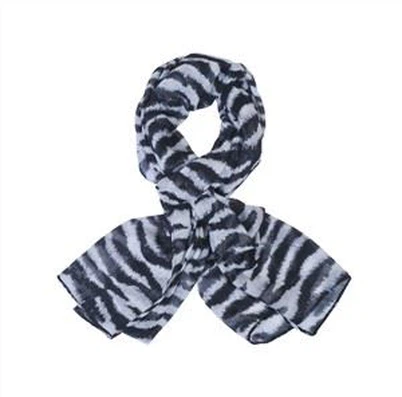
We take pride in offering a wide range of men's scarves, including high - quality cashmere scarves. In addition to our men's collection, we also have some stunning scarves for women. You can check out our Zebra Print Long Scarf Shawl, Women's Cold Weather Scarves, and Printed Scarf Women Shawl.
If you're in the market for men's scarves, whether cashmere or other materials, we're here to provide you with the best products and service. We can customize scarves according to your specific requirements, including color, pattern, and size.
Contact Us for Procurement
If you're interested in purchasing our men's scarves in bulk, we'd love to have a conversation with you. We offer competitive pricing for wholesale orders and ensure that you receive top - quality products. To start the procurement process or to ask any questions, simply reach out and let's discuss your needs. Whether you're a retailer looking to expand your inventory or an event planner in need of custom scarves, we're ready to assist you.
References
- "Textile Fibers: Properties and Identification" - A comprehensive guide on identifying different textile fibers.
- Industry reports on the production and quality standards of cashmere products.