Can viscose scarves be machine - washed?
Leave a message

Viscose, a semi-synthetic fiber derived from natural cellulose, has gained popularity in the fashion industry for its softness, breathability, and ability to mimic the look of silk and cotton. Viscose scarves, in particular, are a staple accessory, offering a blend of elegance and comfort. However, one common question that arises among consumers is whether viscose scarves can be machine-washed. As a viscose scarves supplier, I'm here to provide you with a comprehensive answer to this query.
Understanding Viscose
Before delving into the washing process, it's essential to understand the nature of viscose. Viscose is made by dissolving cellulose pulp from wood or cotton linters in a chemical solution, which is then extruded through spinnerets to form fibers. These fibers are then woven or knitted into fabric. While viscose shares some characteristics with natural fibers, it also has its own unique properties.
One of the main advantages of viscose is its softness and drape, which make it a popular choice for scarves. It also has good absorbency, which allows it to wick away moisture and keep the wearer cool. However, viscose is also more delicate than some other fibers and can be prone to shrinking, stretching, and losing its shape if not cared for properly.
Can Viscose Scarves Be Machine-Washed?
The short answer is yes, viscose scarves can be machine-washed, but it's important to take certain precautions to ensure that they don't get damaged. Here are some factors to consider:
Check the Care Label
The first step is to check the care label on your viscose scarf. The care label will provide specific instructions on how to wash and care for the scarf, including whether it can be machine-washed. Some viscose scarves may be labeled as "dry clean only," while others may be suitable for machine-washing on a gentle cycle.
Use a Gentle Cycle
If the care label indicates that the scarf can be machine-washed, use a gentle cycle with cold water. Hot water can cause viscose to shrink and lose its shape, so it's best to stick to cold water. Additionally, use a mild detergent that is specifically formulated for delicate fabrics. Avoid using bleach or fabric softeners, as these can damage the fibers and cause the scarf to lose its color.
Place the Scarf in a Mesh Laundry Bag
To protect the scarf from getting tangled or damaged in the washing machine, place it in a mesh laundry bag. This will help to keep the scarf in place and prevent it from rubbing against other items in the machine.
Avoid Overloading the Machine
Don't overload the washing machine with too many items, as this can cause the scarf to get stretched or damaged. Instead, wash the scarf separately or with other delicate items.


Remove the Scarf from the Machine Immediately
Once the washing cycle is complete, remove the scarf from the machine immediately. Don't let it sit in the machine for too long, as this can cause it to wrinkle and lose its shape.
Reshape the Scarf and Air Dry
After removing the scarf from the machine, gently reshape it and lay it flat to dry. Avoid hanging the scarf to dry, as this can cause it to stretch and lose its shape. Instead, lay it on a clean towel or drying rack and let it air dry naturally.
Tips for Machine-Washing Viscose Scarves
In addition to the above precautions, here are some tips to help you machine-wash your viscose scarves safely and effectively:
Pre-Treat Stains
If the scarf has any stains, pre-treat them before washing. Use a mild stain remover that is specifically formulated for delicate fabrics and follow the instructions on the label.
Wash Similar Colors Together
To prevent the scarf from getting dyed by other items in the machine, wash it with similar colors. Avoid washing the scarf with dark or brightly colored items, as these can bleed onto the scarf.
Check the Scarf for Damage
Before washing the scarf, check it for any signs of damage, such as holes, tears, or loose threads. If you notice any damage, repair it before washing the scarf to prevent it from getting worse.
Iron the Scarf on a Low Setting
If the scarf needs to be ironed, use a low setting and iron it on the reverse side. Avoid ironing the scarf when it's wet, as this can cause it to shrink and lose its shape.
Alternatives to Machine-Washing
If you're still unsure about machine-washing your viscose scarf or if the care label indicates that it should be dry cleaned, there are some alternatives to consider:
Hand Washing
Hand washing is a gentle and effective way to clean viscose scarves. Fill a sink or basin with cold water and add a mild detergent. Gently swirl the scarf in the water for a few minutes, then rinse it thoroughly with cold water. Squeeze out the excess water gently, being careful not to wring or twist the scarf. Reshape the scarf and lay it flat to dry.
Dry Cleaning
If the care label indicates that the scarf should be dry cleaned, take it to a professional dry cleaner. Dry cleaning is a safe and effective way to clean viscose scarves, but it can be expensive.
Conclusion
In conclusion, viscose scarves can be machine-washed, but it's important to take certain precautions to ensure that they don't get damaged. By following the tips and guidelines outlined in this article, you can safely and effectively machine-wash your viscose scarves and keep them looking their best.
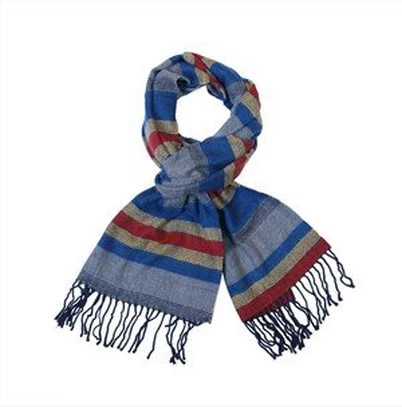
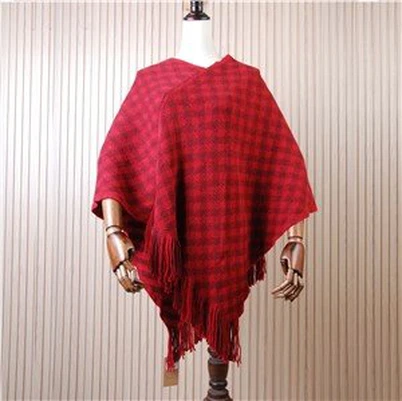
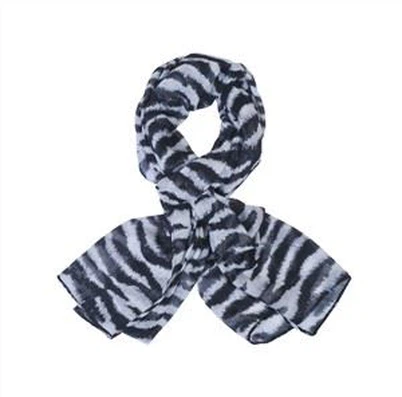
At our company, we offer a wide range of viscose scarves in various styles and colors, including the Winter Viscose Long Stripe Scarf, Viscose Printed Tassel Scarf, and Printed Head Wraps Tassel Scarves. Our scarves are made from high-quality viscose and are designed to be both stylish and comfortable.
If you're interested in purchasing viscose scarves for your business or personal use, please don't hesitate to contact us. We'd be happy to discuss your needs and provide you with more information about our products.
References
- "Viscose: Properties, Uses, and Care." Textile School, https://www.textileschool.com/432/viscose-properties-uses-and-care/.
- "How to Wash Viscose." The Spruce, https://www.thespruce.com/how-to-wash-viscose-2145500.
- "Caring for Viscose Fabrics." Martha Stewart, https://www.marthastewart.com/272038/caring-for-viscose-fabrics.